
AI-Powered Building Management Systems (BMS)
An AI-powered Building Management System (BMS) represents the next generation of intelligent facility operations — integrating data, automation, and artificial intelligence to create smarter, more efficient, and sustainable buildings.
These systems are built from several key components that work seamlessly together to optimize building performance, energy use, and occupant comfort.
Data Collection and Sensors
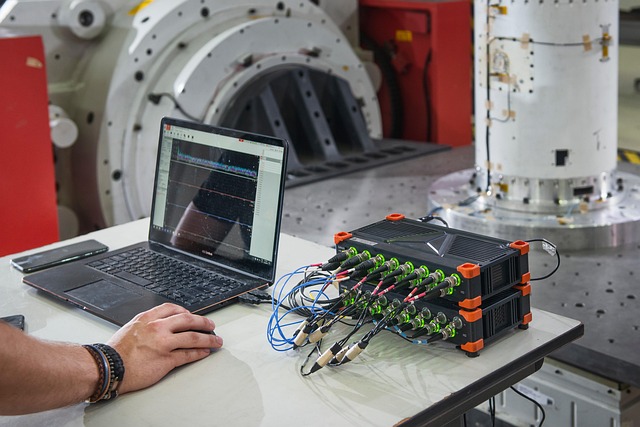
IoT Sensors are strategically deployed throughout the building to capture critical environmental and operational data — including temperature, humidity, occupancy, lighting levels, energy consumption, and equipment performance.
These sensors continuously monitor real-time conditions, forming the foundation for intelligent decision-making and automated control.
Data Storage and Connectivity
A robust data storage infrastructure securely manages the enormous volume of information generated by building sensors. Whether using on-premises databases or cloud-based solutions, the goal is to ensure high-capacity, scalable, and secure data management.
Reliable connectivity is essential for uninterrupted communication between sensors, storage systems, and AI algorithms. Both wired and wireless networks enable seamless data flow, ensuring the entire system functions efficiently and in real time.
Data Analytics and AI Algorithms
At the heart of an AI BMS lies advanced data analytics and artificial intelligence.
These algorithms analyze sensor data, identify trends, and make intelligent, automated decisions that enhance operational performance.
-
AI Algorithms: Utilize machine learning, deep learning, and statistical analysis to extract insights and optimize system behavior.
-
Predictive Analytics: Use historical data to forecast energy demand, detect potential equipment failures, and anticipate maintenance needs — enabling proactive management.
-
Fault Detection & Diagnostics: Identify anomalies and deviations in system data to detect faults early, ensuring timely intervention and minimizing downtime.

Visualization and User Interface
An AI-driven BMS delivers intuitive dashboards and detailed reports, offering real-time visibility into building performance, energy consumption, and occupant comfort.
Through these dynamic visualizations, facility managers can easily monitor key performance indicators and gain actionable insights.
The user interface provides seamless control and accessibility — via web-based platforms or dedicated mobile applications — allowing facility managers to monitor, adjust, and optimize systems from anywhere.

Integration and Scalability
A modern AI BMS is designed for connectivity and expansion.
It easily integrates with external systems such as utility providers, weather services, or maintenance management platforms — ensuring smarter data exchange and enhanced operational intelligence.
Scalability is built into the system’s architecture, allowing for the effortless addition of new sensors, devices, or functionalities as the building evolves and grows.
Smarter Insights. Predictive Control. Sustainable Results.
By combining data collection, AI-driven analytics, visualization, and seamless integration, an AI-powered Building Management System enables a new level of performance — transforming buildings into intelligent, adaptive environments.
The result: optimized operations, lower energy costs, enhanced occupant comfort, and a more sustainable future for every facility.
